
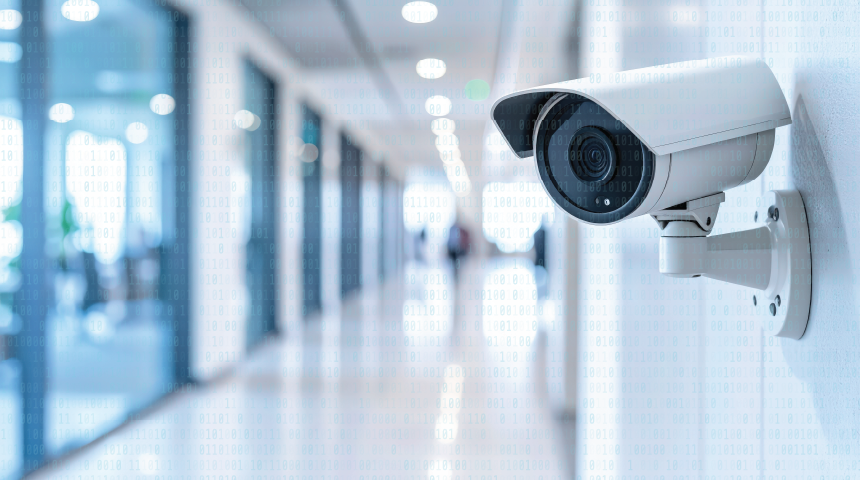
The Hidden World of Electronic Eavesdropping
Eavesdropping—secretly listening to a conversation—is nothing new. But the classic “person listening in nearby” is no longer the biggest concern. Today, many adversaries are turning to electronic eavesdropping to capture confidential and mission-critical business data without ever stepping into the room.
In this post, we’ll break down what electronic eavesdropping is, the types of devices commonly used to extract data, and what you can do to defend your organization.
What is Electronic Eavesdropping?
Electronic eavesdropping takes traditional “listening in” to a new level. Instead of someone standing nearby, it’s done with electronic tools—cameras, microphones, wiretaps, and recording devices—often without anyone noticing.
Once limited to law enforcement and intelligence investigations, these same techniques are now a growing data security threat to organizations nationwide. Today’s attackers can covertly monitor phone calls, video conferences, fax transmissions, emails, and instant messages using advanced electronic tools—turning everyday communication channels into potential points of compromise.
Devices to Extract Data
As noted above, microphones, wiretaps, recorders, and cameras are among the most common tools used in electronic eavesdropping. In practice, the primary methods used to capture sensitive information are wiretapping, bugging, and video surveillance.
In many cases, eavesdropping occurs after an attacker has gained access to a specific site and installed a device or malicious component on a computer, mobile phone, or other endpoint. However, it is also possible for adversaries to exploit vulnerable electronic equipment remotely, without ever entering the facility.
MITIGATING Electronic Eavesdropping Before it Starts
How do you mitigate electronic eavesdropping—not just on paper, but in real facilities? From simple upgrades to advanced RF/IR shielding, there are several proven ways to harden your environment and protect your information. Here are key measures to consider:
- Are you using VoIP in your office? Confirm your system is fully encrypted. Unencrypted VoIP traffic can be intercepted, making it far easier for adversaries to listen in on your calls.
- If your workplace relies on computers with built‑in cameras and microphones, those endpoints are potential listening posts for attackers. Covert activation of audio and video is no longer science fiction—it’s a documented tactic in real‑world breaches. The result: sensitive conversations, credentials, and intellectual property can be captured without anyone in the room realizing it.
- It’s critical to put controls in place that harden these devices and prevent unauthorized access to cameras and mics—before you become the next cautionary tale. Covert activation of audio and video is no longer science fiction—it’s a documented tactic in real‑world breaches. The result: sensitive conversations are protected.
- Securing your facilities perimeter: RF shielding window films help protect your office exterior glass from RF leakage that can enable electronic eavesdropping—significantly reducing the risk of data theft. They also deliver added benefits, including blast mitigation, combined RF/IR rejection, and reduced UV and solar heat gain.
- Mitigating electronic eavesdropping starts with hardening the entire facility envelope. That means going beyond windows and securing walls, ceilings, and floors with dedicated RF attenuation solutions—such as conductive paints and radiant barrier foils—to help contain emissions and protect sensitive information
If your facility isn’t yet protected against electronic eavesdropping, now is the time to act. Strengthen your RF/IR defenses today to safeguard your sensitive data and avoid costly consequences tomorrow. Contact Signals Defense today.
About Signals Defense
For more information on preventing electronic eavesdropping, contact Signals Defense today. As a leading provider of RF/IR shielding solutions, we carry a range of shielding products, such as window films, foils, RF paints, tapes and caulks to help provide a comprehensive protective solution for your office building, conference room, and more. Contact us today.
Related Blog Articles

Safeguard Sensitive Data with Emission Security
Safeguard Sensitive Data with Emission SecurityDid you know that emission...

Enhancing Data Center Security
Enhancing Data Center Security with RF Shielding SolutionsData Center and...